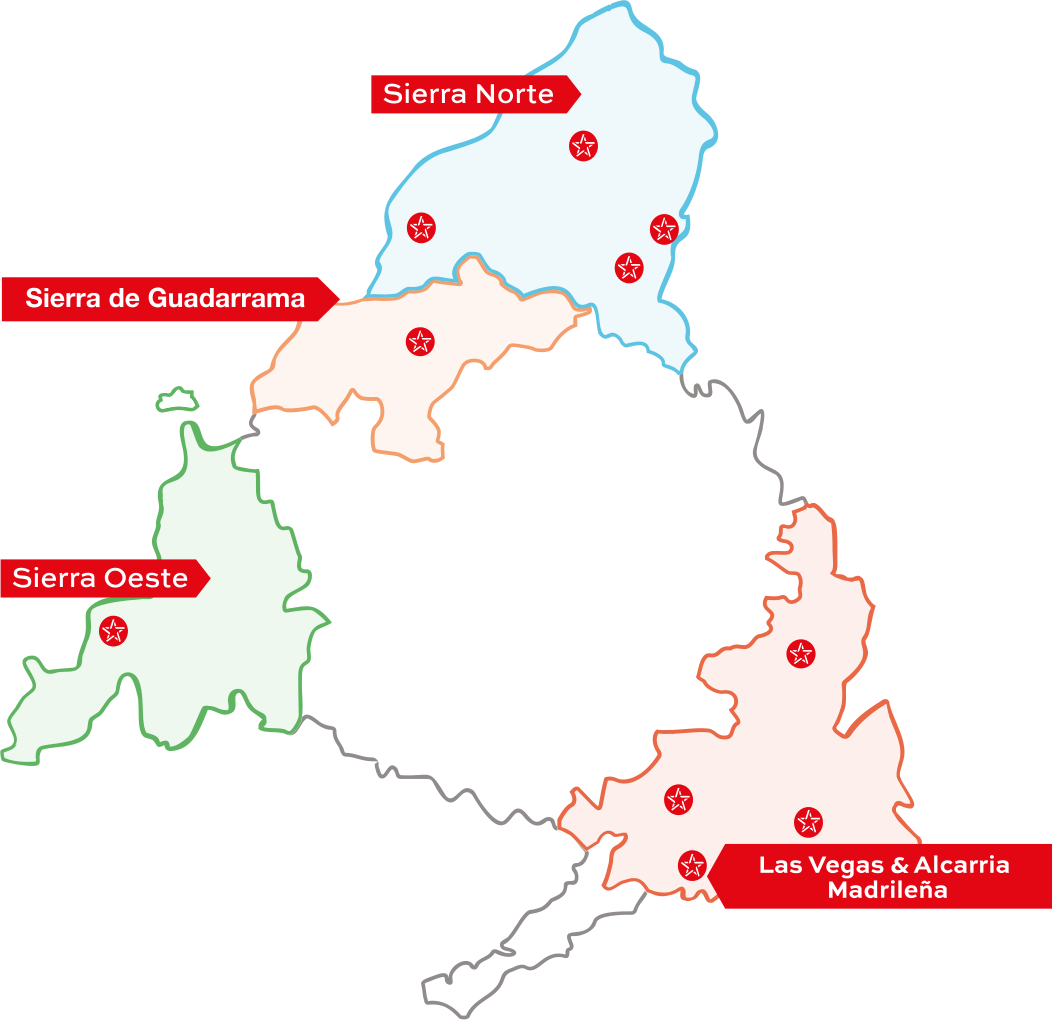
North Sierra
Rascafría
Mountains, faith and art.
Buitrago del Lozoya
From the past to the avant-garde.
Torrelaguna
Cradle of illustrious Madrilenians.
Patones
A romantic getaway.
The Vegas & La Alcarria
Villarejo de Salvanés
Cinema, monks and knights.
Colmenar de Oreja
Wine and art.
Chinchón
Movie set.
Nuevo Baztán
A journey to the avant-garde of the 18th century.
West Sierra
San Martín de Valdeiglesias
Centuries of history, deep wines, and still waters.
Sierra de Guadarrama
Manzanares El Real
Nature, Renaissance, and gastronomy.
You may be interested in:
The 14 Must-Sees of the Sierra de Guadarrama
El Rebollar Site
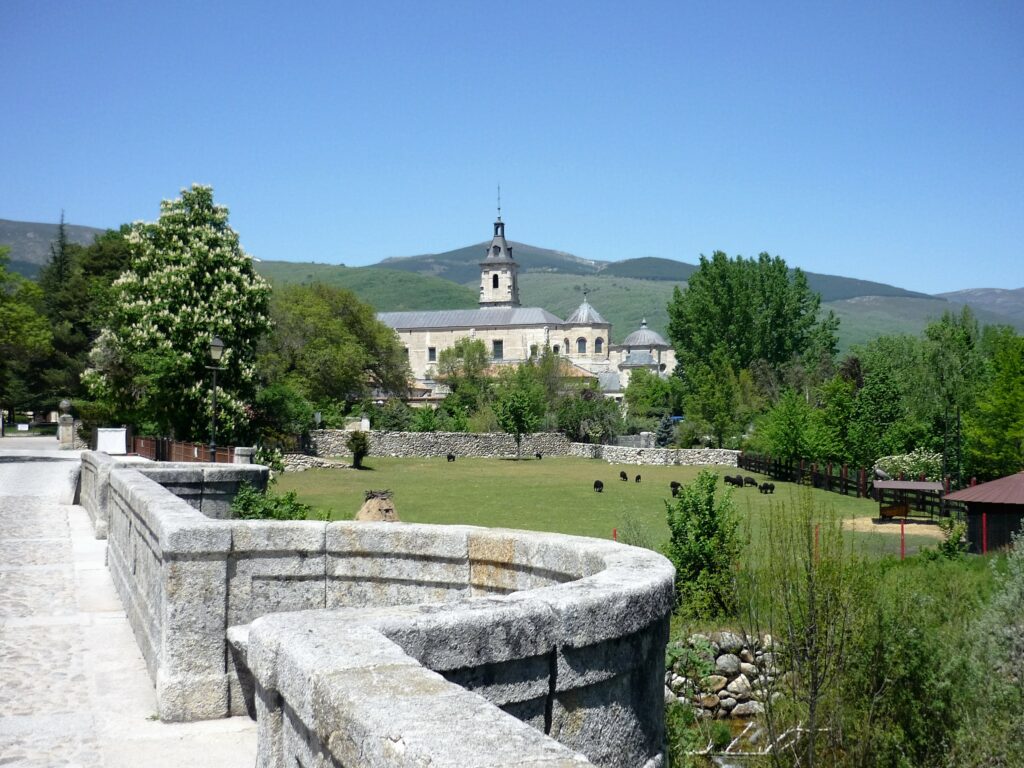
Rascafría
Mountains, faith and art.
To say Rascafría is to say Peñalara Natural Park, another of the natural wonders that the Community of Madrid boasts and that you cannot miss. After walking through the beautiful and rustic urban center of Rascafría, you must visit the Monastery of El Paular, a jewel of Gothic-Mudejar architecture in the heart of the mountains. A pleasant 2-kilometer walk separates Rascafría from the monastery, where you can also visit the impressive painting museum of Vicente Carducho.
Take a well-deserved break in its beautiful and good restaurants where you can enjoy the star products of the Sierra de Guadarrama: veal, pork, large white beans, Lozoya trout, El Paular cheeses. In autumn, mushroom dishes from the Lozoya Valley, very famous throughout the Community of Madrid, are highly recommended. After enjoying a good meal, we recommend you go to the Cotos pass and take the pleasant walk to Laguna Grande de Peñalara.
Or you can also walk to the Puente del Perdón, where the 12-kilometer trail continues to the Purgatorio waterfall. Another small pleasure is to walk along the Presillas of the Lozoya River, outside the summer season and without bathers, and enjoy the crystalline waters and its beautiful surroundings in silence.
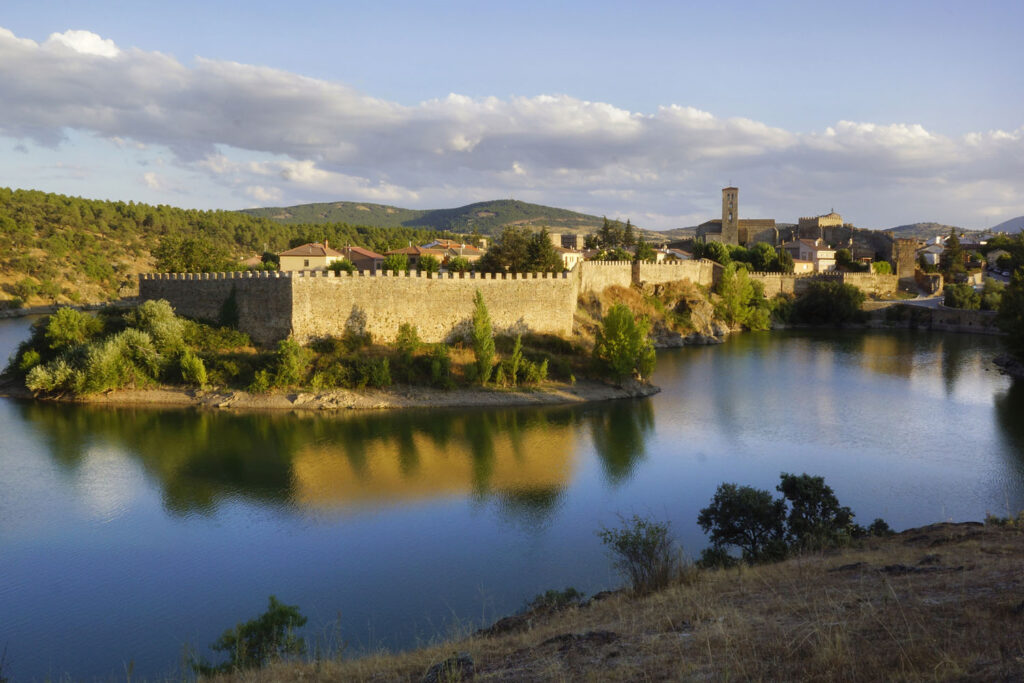
Buitrago del Lozoya
From the past to the avant-garde.
Explore its beautiful medieval old town. You cannot miss the tour of its 800 meters of medieval wall. We recommend taking the theatricalized tours organized by the town hall, as they are a fun and educational experience for both young and old. But you can also visit them quietly on your own and enjoy the landscapes in peace and quiet.
You also cannot miss the Picasso Museum-Eugenio Arias Collection, with about 60 works that the brilliant artist gave to his friend and barber Eugenio Arias, a native of this town.
After visiting its monuments and walking through its streets, full of traditional shops (bakeries, grocery stores, crafts), eat in one of its restaurants to enjoy the excellent local gastronomy, specializing in roast veal from the Sierra de Guadarrama and its famous mountain white beans.
In the afternoon, enjoy short walks such as the Senda del Palacio del Bosque, from which you will enjoy beautiful views of the town and discover the romantic ruins of the Palacio del Bosque. Another pleasant route we recommend is the Senda Ribera del río Lozoya, with several viewpoints offering the best panoramic views of Buitrago. After enjoying the landscape, get lost again in the streets of Buitrago and enjoy the temptations offered by its traditional commerce: bakeries with cakes and breads like in the old days, grocery stores with natural products from the Sierra, small shops specializing in crafts, which will make your walk a true delight.
Tourist Office
C/ Tahona, 19
674 38 12 44 – 918 680 056
turismo@buitrago.org
www.buitrago.org
Tuesday to Friday from 10 a.m. to 2 p.m. and from 4 p.m. to 6 p.m.
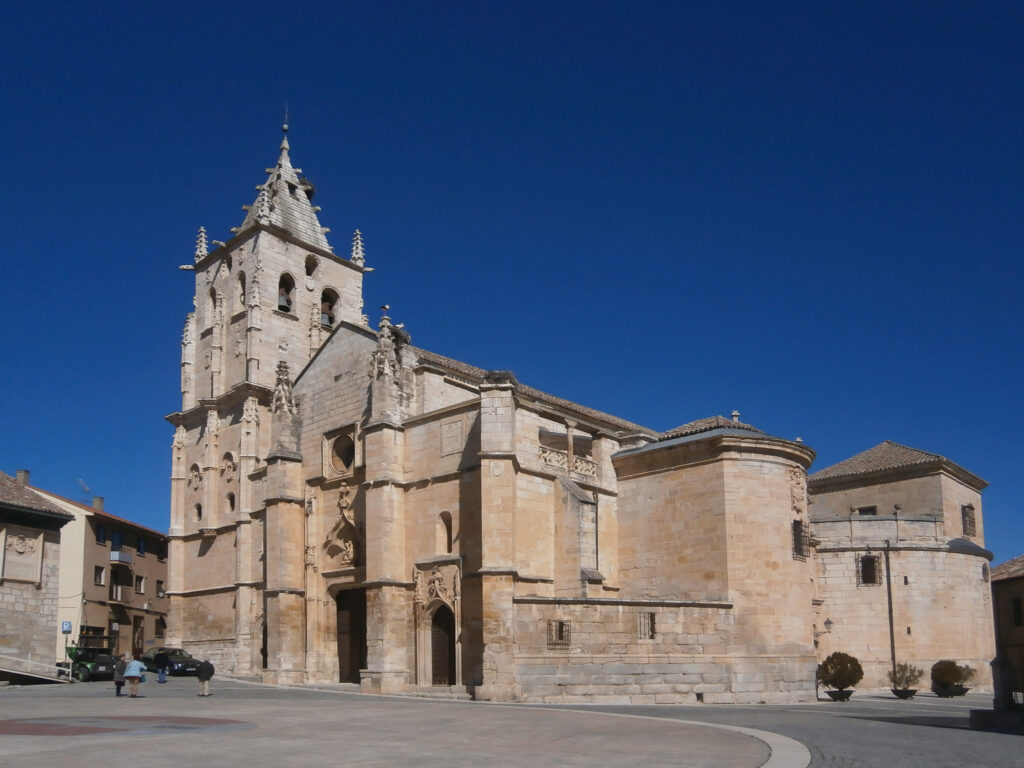
Torrelaguna
Cradle of illustrious Madrilenians.
We recommend you set aside a morning to take a guided tour of the historic center of Torrelaguna, a town with a fascinating history that you will learn about by exploring its streets and hidden corners. The imposing figure of the Church of Santa María Magdalena bears witness to its glorious past, as Torrelaguna was the birthplace of Cardinal Cisneros. Get lost in its streets and enjoy the local shops, with small traditional stores and bakeries where you can try the typical sweets of the town. Enjoy a good meal in one of its restaurants. Torrelaguna is famous for its cuisine specializing in roasts (lamb, suckling pig, kid), as well as its cured meats and legumes. Special mention should also be made of its pastries with typical local sweets and its bread. Its picturesque inns are located in old manor houses, some of them with cellars, as is the case of the Alfolí de la sal, renovated as a restaurant with the possibility of visiting its cellars. Here, the tradition of making cocido in clay pots has not been lost, and the quintessential tapa is chorizo a la garrota.
In the afternoon, we recommend the pleasant walk to the Hermitage of Santa María de la Cabeza, where it is said that the saint was buried in its origin. Or, if you prefer, you can also go to the Atalaya de Arrebatacapas, about three kilometers from Torrelaguna, a defensive tower built by the Arabs in the 10th century, from which you can contemplate the entire surrounding landscape.
Tourist Office
Plaza Mayor, 8
91 843 14 03 / 636 614 872
turismo@torrelaguna.es
www.torrelaguna.es/turismo
Patones
A romantic getaway.
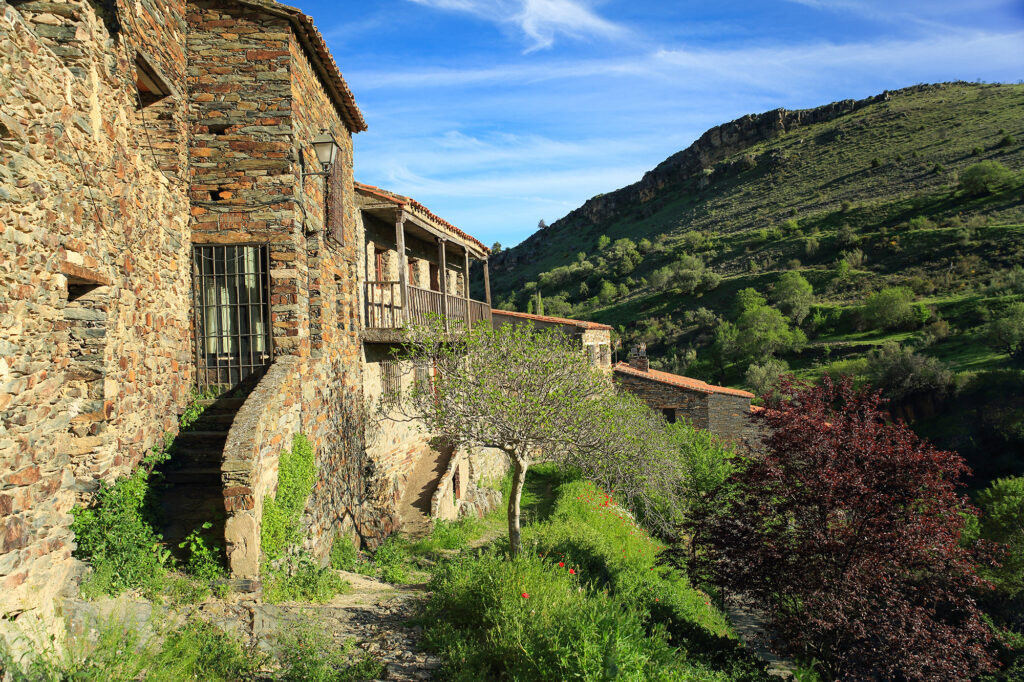
To walk through the historic center of Patones de Arriba is to take a trip to the past, to the times when man lived in close contact with nature and agricultural cycles marked people’s lives. We recommend taking the guided tour where you will learn many curiosities about a way of life already forgotten by the people of the big cities. Walk through its charming streets and enter its small shops selling crafts and gastronomic products like its famous honey. But to say Patones de Arriba is to say gastronomy, as it has one of the best gastronomic offerings in the Community of Madrid, with the added charm of its rustic streets and its slate architecture.
After a good meal, we advise you to visit two impressive works of engineering. First, the Atazar reservoir, a real sea of water in the heart of Castile. Then, you cannot miss the Pontón de la Oliva, a unique site built in the mid-19th century. From the Pontón, a short trail starts that will take you to the impressive Cárcavas formation, a landscape shaped by water that you cannot miss.
Tourist Office
Plaza del Llano nº 1
918 432 906
turismo@patones.net
www.turismo.patones.net
Villarejo de Salvanés
Cinema, monks and knights.
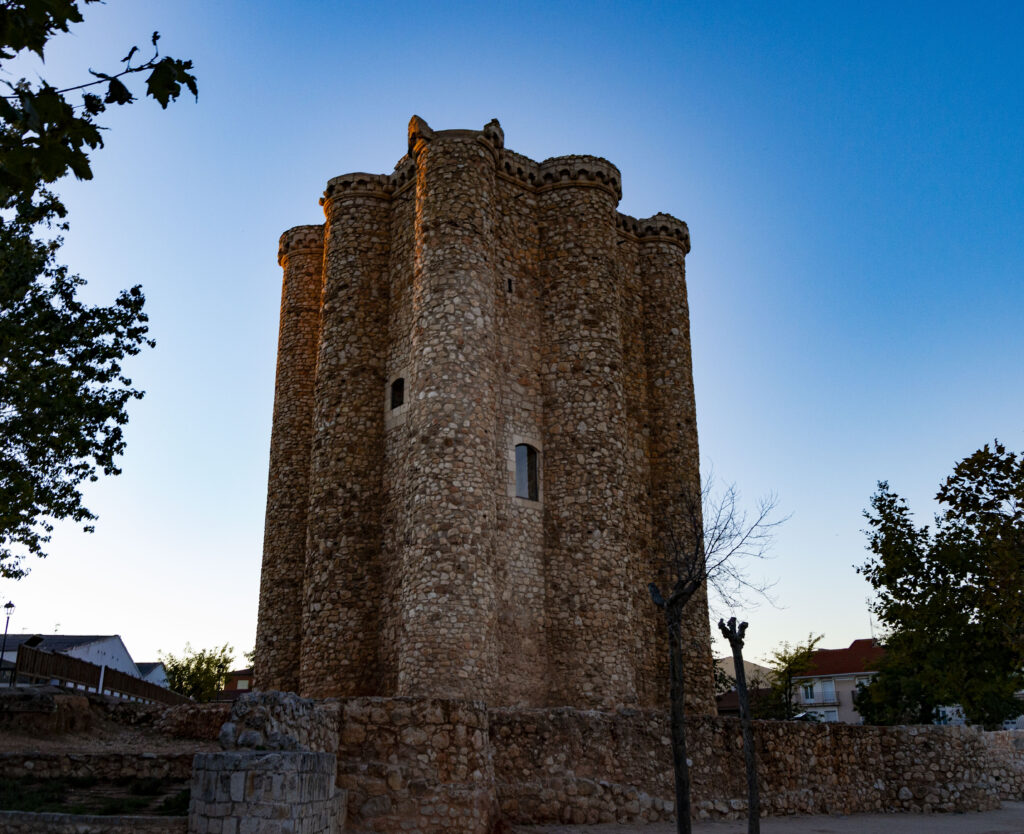
If you like the Middle Ages, you cannot miss visiting Villarejo de Salvanés and its impressive Tribute Tower, which takes us back to the fascinating medieval times when Villarejo was the seat of the Great Commandery of Castile. You can learn all about its important and incredible history in the museum located in the tower itself, and also enjoy the imposing views from the top. We recommend booking a guided tour so you don’t miss any details.
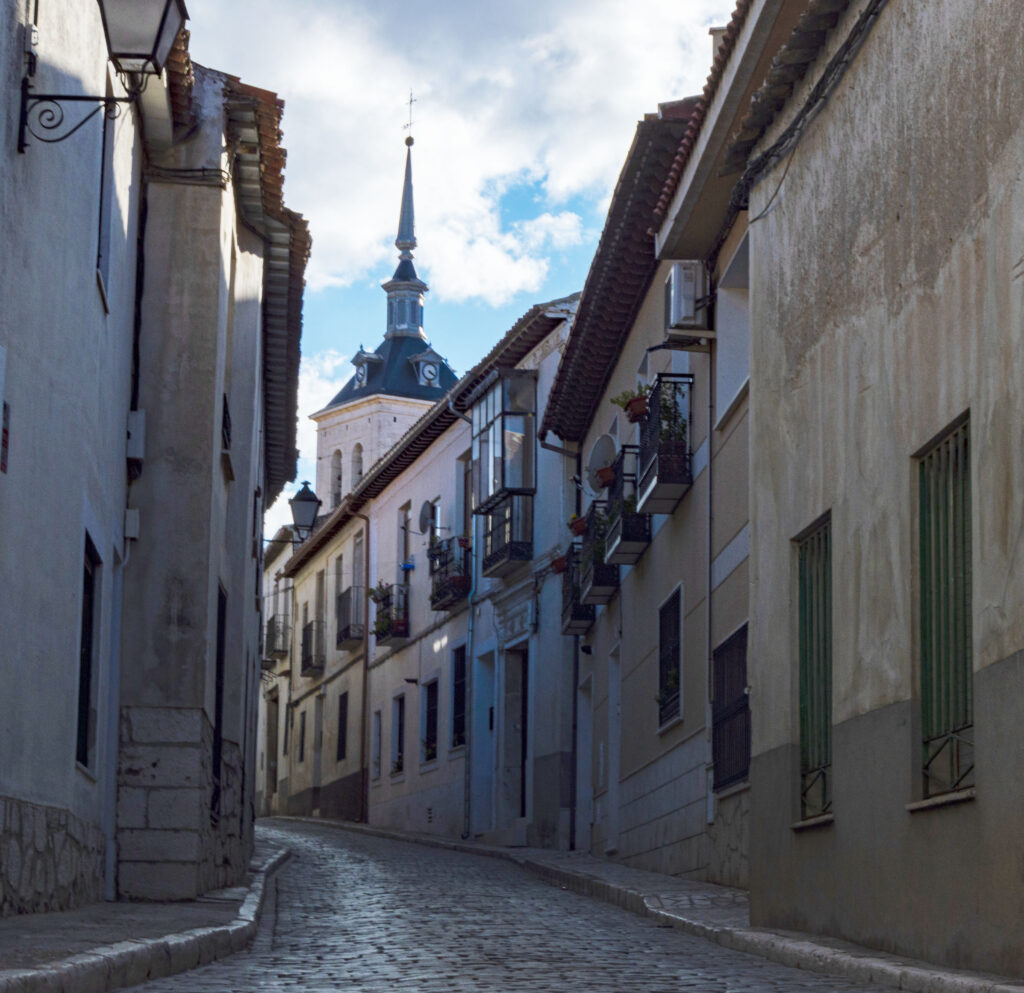
Other interesting visits include the Ethnographic Museum in the Casa de la Tercia. As a historically agricultural and livestock town, Villarejo has top-quality products used to cook dishes and desserts deeply rooted in tradition. In its restaurants, you will enjoy exquisite wines and olive oils with designation of origin, accompanied by the best dishes: tortilla in broth, sweetbreads, and beans with hare or partridge. After a good meal, you can relax with a pleasant walk along the Senda de Santa María a Los Villares, and discover the ruins of the original settlement of Villarejo.
Tourist Office
Plaza de la Iglesia s/n
638 21 35 15
reservas@turismovillarejodesalvanes.com
www.turismovillarejodesalvanes.com
Colmenar de Oreja
Wine and art.
Explore its beautiful historic center with a guided tour, discovering the interesting corners of Colmenar de Oreja. Start in the Plaza Mayor, a beautiful example of a Castilian arcaded square, declared an Asset of Cultural Interest, and discover a secret hidden beneath the square: the Arco del Puente del Zacatín. A passageway that leads to the peaceful Zacatín Gardens, where the Fuente del Barranco is located. At the exit of the gardens is an old limestone quarry, now the Stone Museum.
Discover the impressive museum of Ulpiano Checa, one of the most famous painters of the late 19th century, with magnificent canvases of historical painting. Gastronomy and good wine are the strong points of this town. Its restaurants offer the Villas de Madrid Menu, where you can taste the best gastronomic specialties of this town: chulas potatoes, pozas, vaquero pisto, carne al desarreglo, sheep cheese, friar balls, limoncillo, oil, wine… And all this paired with its excellent wines from the D.O. Vinos de Madrid.
After a good after-dinner conversation, walk along the Senda de la Vereda del Cristo where you will enjoy panoramic views over the Tajo Valley and the Mesa de Ocaña. Or take a walk along the route of an old railway line to Chinchón via the Ruta del Tren.
Tourist Office
Calle Costinilla de Silleros, 1 (next to the Ulpiano Checa Museum)
918 089 332
turismo@colmenardeoreja.com
https://www.esmadrid.com/colmenar-oreja
Chinchón
Movie set.
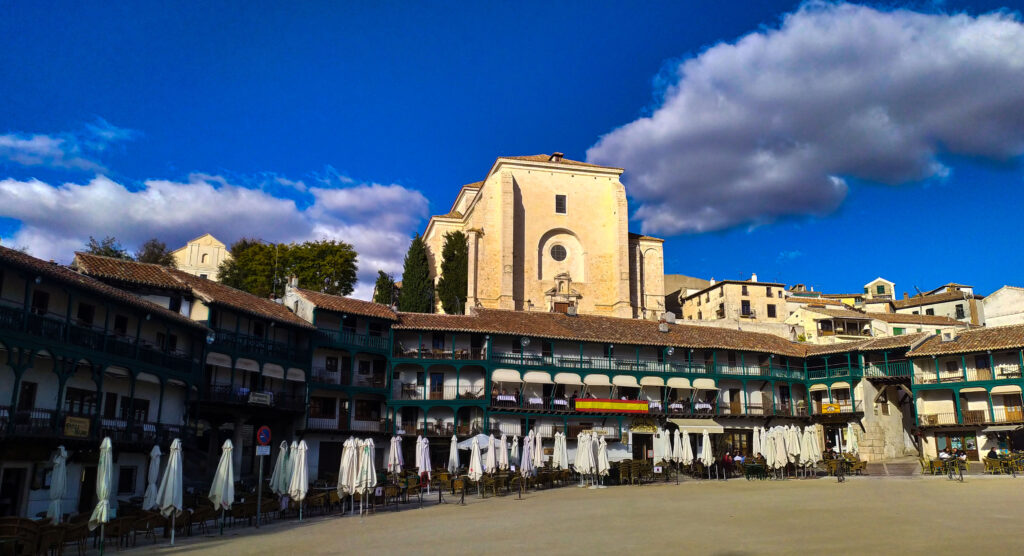
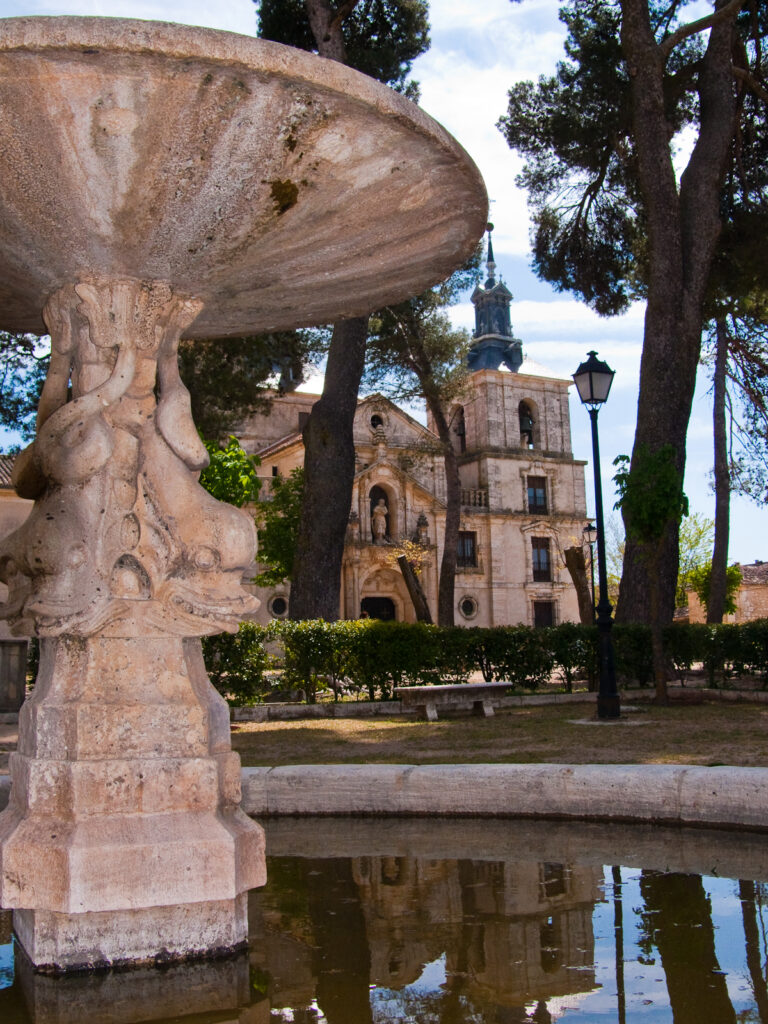
Explore and discover the heritage richness of the historic center of Chinchón with its emblematic Plaza Mayor, one of the most beautiful examples of Castilian architecture. Different types of guided tours are offered from the tourist office, with which you will get to know all the corners of Chinchón. After walking through its streets and discovering its small shops (you can’t leave without buying a bottle of its famous anise and its renowned garlic), enjoy a succulent meal with its wide gastronomic offer, one of the best in the entire Community of Madrid. On the menus of its restaurants, you will find typical dishes and delicacies such as its famous garlic soup, chichoneras beans, vigil pot, and lamb chops. All this paired with the excellent wines of Chinchón, which has the oldest winery in Madrid. And for dessert, the sweets from the monastery of the Inmaculate Conception: the famous puches, accompanied, of course, with a small glass of anise. In the afternoon, to help digest your meal, relax by walking through lesser-known landscapes, such as the pine forests along the Valquejigoso or Valdezarza trails, ideal for autumn to spring, or the beautiful San Juan Lagoons complex, about 10 km from Chinchón.
Tourist Office
Plaza Mayor, 6
918 935 323
informacion.turistica@ciudad-chinchon.com
Nuevo Baztán
A journey to the avant-garde of the 18th century.
One morning, back in 1700, Juan de Goyeneche y Gastón, a Navarrese politician based in Madrid, decided that he would found a glass factory and a town for its artisans here. Nuevo Baztán is a unique example of an Enlightenment town. A newly built settlement, with a monumental Baroque palace-church and its unique historic center. An impressive architectural complex designed by Churriguera. Discover its fascinating work in the interesting Interpretation Center. Nuevo Baztán is a little corner of Navarre in our Community due to the origins of its founder, and therefore it has its own Javierada, a Madrid version of the traditional march to the castle that is celebrated throughout Navarre on the second weekend of March.
Tourist Office
Palacio Goyeneche. Plaza de la Iglesia, 3
699 063 323
turismo@ayto-nuevobaztan.com
San Martín de Valdeiglesias
Centuries of history, deep wines, still waters.
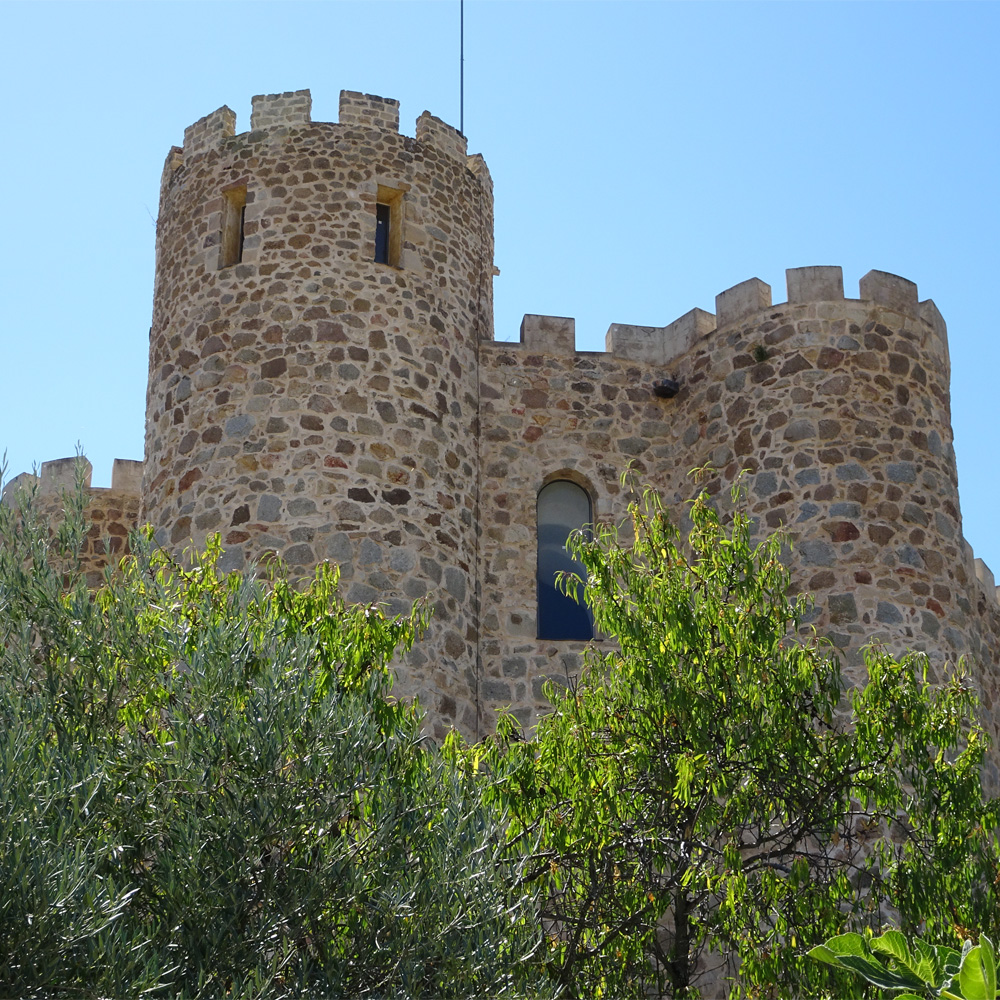
Explore the old town and breathe in the history emanating from its streets. Visit the impressive Coracera Castle where you can hear its history from the nobleman who ordered its construction: Constable Don Álvaro de Luna. Admire the parish church of San Martín Obispo, an ambitious work initiated by the royal builder Don Pedro de Tolosa, which was never completed, according to popular songs: «Everything has an end except the church of San Martín» or «Gold ran out before the choir«. San Martín is steeped in wine, so we recommend visiting one of its numerous wineries to delight your palate with the same wines that King Alfonso X the Wise and Don Quixote already praised. A very typical tapa to accompany the local wine is patatas revolconas. When we sit down to eat a good meat dish, we can sense the influence of the nearby province of Ávila. One of the demonyms for its inhabitants, “pinche goloso” (greedy taster), reminds us that traditional sweets, such as retorcidos, rosquillas, and mantecados, have a long tradition in the municipality.
The nearby municipality of Villa del Prado, known as the Orchard of Madrid, supplies our kitchens and offers an alternative for those who like to pair wines with quality vegetables and produce. After enjoying a good meal, transport yourself to the land of fairy tales by walking through the Enchanted Forest, go back to past eras by strolling through the winding streets of the Jewish quarter, or explore the numerous hermitages in the Valley of the Churches that gave its name to the town of San Martín. Don’t leave the municipality without visiting the San Juan Reservoir. In low season, you can delight in the natural beauty of the surroundings while walking along its shores. And in high season, you can practice countless water activities in the recreational areas of Virgen de La Nueva and El Muro.
Tourist Office
Castillo de la Coracera
670 640 313
Manzanares El Real
Nature, Renaissance, and gastronomy.
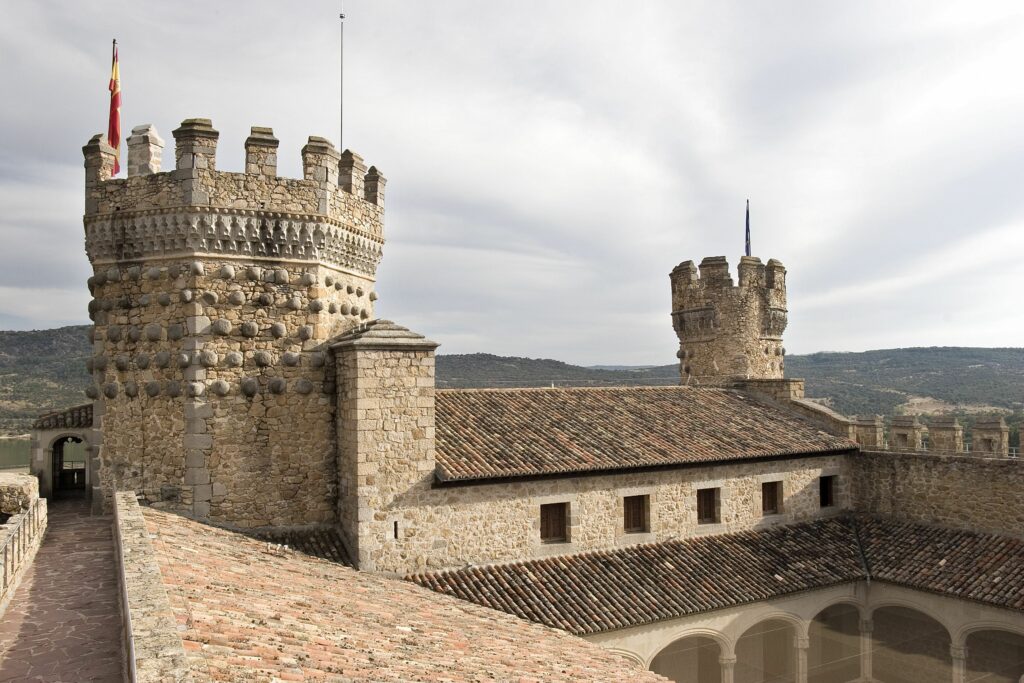
Manzanares is a lucky town. It was born and ended up at the foot of La Pedriza, and soon it had a castle, the old castle, and then another, a movie-like one: the Castillo de los Mendoza. Since then, it has been part of its identity. The Manzanares River flows through it, from which it borrowed its name shortly after being born in the peaks of the Sierra de Guadarrama, right in the National Park, and to top it all off, the Santillana reservoir caused a huge colony of waterfowl to settle there.
The Castillo de los Mendoza is the true emblem of Manzanares El Real. This building is the architectural embodiment of a society caught between two eras, the chivalrous medieval era with its defensive elements, such as the barbican or the angled entrance; and the humanist Renaissance, with its grand halls, decorated facades, and magnificent viewpoints, more befitting a palace.
But the granite universe of La Pedriza is also a castle in itself, an authentic fortress surrounded by apparently impenetrable natural granite barriers. These are walls carved by the effect of water, wind, and sun over thousands of years. On them or behind them stand watchtowers that rise above the other rocks. The highest is El Yelmo. Vantages used by griffon vultures and mountain goats that act as lookouts. And inside, a thousand labyrinths that seem designed to thwart the intentions of possible occupying forces; hidden chambers, reached by endless stairs with countless irregular steps; vertical paths, which lead to almost inaccessible heights.
Manzanares El Real, the Castillo de los Mendoza, La Pedriza, the Sierra de Guadarrama National Park… A complex system that only requires time and desire. Who can ask for more?
Tourist Office
Calle del Cura, 5
918 780 196
You may be interested in
The 14 Must-Sees of the Sierra de Guadarrama
El Rebollar Site
View map
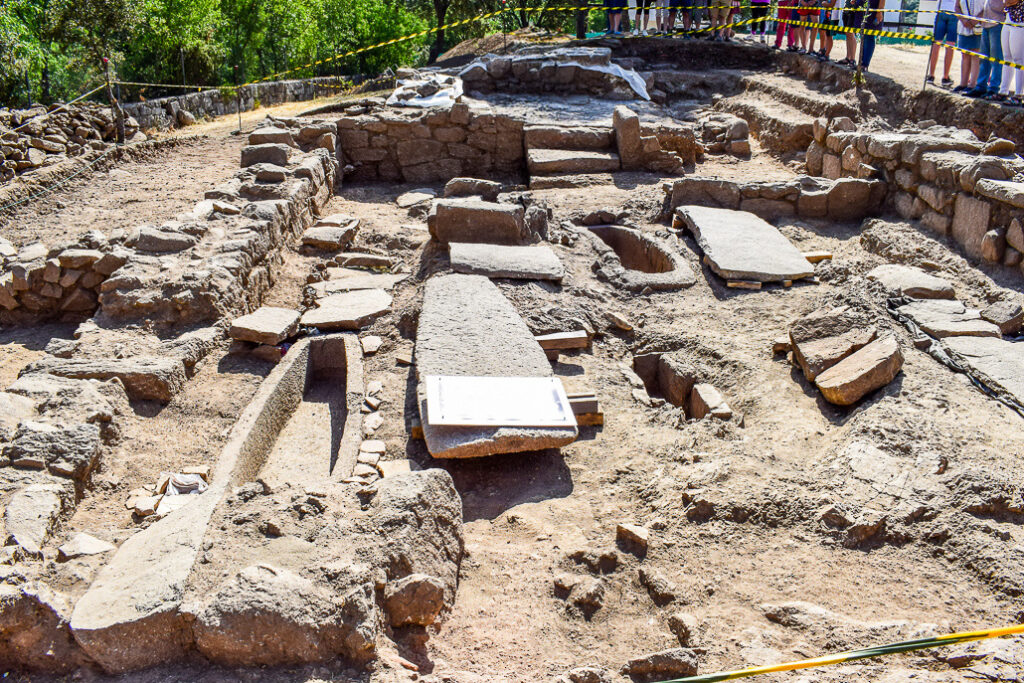
Located in the municipality of El Boalo, the El Rebollar Site has become one of the witnesses to the Visigothic presence in the territory that today constitutes the Community of Madrid.
The design of its church, as well as the necropolis (preserved in extraordinary condition), have made it possible to accurately date both the original phases and subsequent reforms. Its proximity to Manzanares El Real, in the heart of the Sierra de Guadarrama, makes it a must-visit for anyone who comes to learn more closely about the experiential offerings of this territory.